
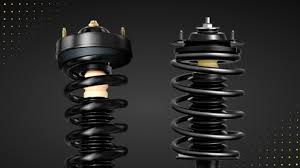
Understanding the difference between front vs rear coil springs is essential for maintaining your vehicle’s suspension system. Many vehicle owners in the United States are unsure about how these components work and when they should be replaced.
The comparison of front vs rear coil springs helps you understand their role, performance, and importance in your vehicle’s overall handling and safety.
What Are Coil Springs?
Coil springs are an essential part of your suspension system. They support the vehicle’s weight, absorb road shocks, and maintain ride height.
Whether you are dealing with front or rear suspension, understanding front vs rear coil springs helps you make better maintenance decisions.
Front Coil Springs – Function and Importance
Front coil springs are located in the front suspension system and carry a significant portion of the vehicle’s weight, especially the engine.
Key functions:
- Support engine weight
- Improve steering control
- Enhance braking stability
- Reduce front-end vibrations
For a detailed guide, read:
👉 front coil springs USA
Rear Coil Springs – Function and Importance
Rear coil springs are responsible for supporting passengers and cargo load.
Key functions:
- Maintain vehicle balance
- Improve ride comfort
- Handle load distribution
- Reduce rear-end sagging
To learn more, visit:
👉 rear coil springs replacement USA
Front vs Rear Coil Springs – Key Differences
When comparing front vs rear coil springs, several differences stand out:
1. Weight Distribution
- Front springs carry engine weight
- Rear springs support passengers and cargo
2. Performance Role
- Front springs affect steering and braking
- Rear springs improve ride comfort and stability
3. Replacement Complexity
- Front springs are harder to replace
- Rear springs are relatively easier
4. Cost Difference
- Front springs usually cost more
- Rear springs are more affordable
To understand cost factors, check:
👉 coil spring replacement cost USA
When Should You Replace Front vs Rear Coil Springs?
Recognizing when to replace each type is crucial.
Front coil springs should be replaced if you notice:
- Poor steering control
- Front-end sagging
- Increased braking distance
Rear coil springs should be replaced if you notice:
- Vehicle sagging at the back
- Difficulty carrying loads
- Uneven ride height
To identify issues early, read:
👉 signs of bad coil springs
Choosing the Right Coil Springs
Selecting the correct springs depends on your vehicle type and driving conditions.
For a complete buying guide, visit:
👉 best coil springs USA
Best Brands for Front and Rear Coil Springs
Choosing trusted brands ensures better performance and durability.
Top brands include:
- Bilstein – Premium performance
- Lesjöfors – OE-quality replacement
- A-Premium – Budget-friendly option
If you want a comparison, read:
👉 Bilstein vs A-Premium coil springs USA
DIY Replacement – Front vs Rear
When learning how to replace coil springs, it’s important to understand the difficulty level.
Front springs:
- Require more tools
- Need careful handling
Rear springs:
- Easier to replace
- Less complex
For a step-by-step guide, check:
👉 how to replace coil springs
Safety and Suspension Performance
Both front and rear coil springs play a crucial role in vehicle safety. Ignoring suspension problems can lead to serious issues.
To learn more about safety standards, visit:
👉 https://www.nhtsa.gov/road-safety
Maintaining both front and rear suspension ensures better control and stability.
Final Thoughts
Understanding front vs rear coil springs helps you maintain your vehicle more effectively. While both types serve different purposes, they work together to provide a smooth and safe driving experience.
Regular inspection and timely replacement ensure better performance, improved safety, and long-term reliability.
